

Leading a cash-payment product from concept to deployment
Executive Summary
I led the development and deployment of outdoor PIC cash-payment machines for ARCO gas stations. The product gave customers paying with cash an option beside the pumps, reducing the need to enter the store during the COVID pandemic.
I owned physical design, software requirements, supplier selection, budget management, assembly supervision, and installation coordination. Our team deployed 28 machines across seven sites. After launch, I led an improvement linking timestamped cash transactions to camera footage to support payment-dispute investigations.
The customer need and starting point
GTI Petro was reviving cash-payment machines previously used at ARCO stations, with ARCO’s permission and an updated interface. When I joined, the CEO was discussing the project with ARCO executives. Earlier CAD designs and cash acceptors purchased by the CEO provided the starting point. My assignment was to take the product through prototyping, manufacturing, testing, and installation.
Budget and purchasing authority
managed a $600,000 project budget, negotiated supplier prices, and approved project-related purchases. The cash acceptors had already been purchased by the CEO.
| Budget Category | Allocation |
|---|---|
| Software Development | $300,000 |
| Other Project Costs | $300,000 |
| Total Project Budget | $600,000 |
Bringing the product and team together
I had independent authority over the physical design. I designed the outer shell and the internal shelving and mounts for the computer, safe, screen, and cash acceptor. I researched sheet-metal fabricators, obtained quotes, selected suppliers, and coordinated production of the panels, shelving, and mounts.
For software, I defined how the machine should operate, what the interface should do, and which functions the developers needed to deliver. I coordinated a contracted team consisting of one lead developer in the Los Angeles area and five developers in India.
Company field and service personnel assembled the machines under my supervision. Construction contractors prepared the foundations, poles, and wiring pathways, while electrical contractors handled power wiring. I directed component placement during assembly; formal installation instructions and manuals were planned as a future step.
Managing an evolving schedule
set development due dates and revised the schedule when work slipped or new information changed the dependencies. I tried to preserve the critical path where possible and updated it when necessary. The experience taught me to build more realistic time into other people’s work and adjust plans as the team learned more about the product.
Testing the complete transaction
The team bought and installed a functional gas pump in the office and operated it without gasoline as a test bed. We repeatedly tested the machine and software interaction with the pump before field installation.
The customer workflow was straightforward: select a pump number, insert cash, and have the station computer authorize that pump for the prepaid amount. The customer then returned to the pump, selected the fuel grade, and filled the vehicle up to that amount.
Rolling out four machines per site
The first site became operational approximately six months after I joined, with subsequent installations around the ten-month mark. A four-machine site generally followed this installation sequence:
| Phase | Approximate duration | Work completed |
|---|---|---|
| Site preparation | One week | Construction and electrical preparation |
| Assembly | One day | Four machines, computers, and wiring connections |
| Commissioning | Following day | Software setup and station-staff training |
Improving the product after launch
Making cash transactions easier to verify
Field use exposed disputes about how much cash customers had inserted. Initially, investigating a claim involved checking the cash cartridge inside the safe. I worked with the developers to add a camera directly above the cash insertion area, focused on the money being inserted.
The camera view appeared on the screen so customers could also see the cash going into the machine. We deliberately avoided a camera facing the customer. Footage was saved locally and linked to timestamped transactions so the relevant recording could be retrieved.
Because some mounts and panels had already been manufactured, adding the cameras required a hardware change. I modified the mounts myself using my desktop CNC. During the approximately two months I remained involved after the camera improvement, I do not recall further complaints reaching our team about the machine crediting an incorrect fuel amount. This is my observation from that period, rather than a measured reduction in fraud.
Recognizing limits in the customer experience
The initial product still required staff assistance for some transactions. Customers with unused prepaid funds collected change inside the store, or an available clerk brought it outside. Automated change handling and a possible credit arrangement remained under consideration.
The PIC also could not reassign a transaction once a pump was authorized. We added repeated pump-number confirmations, on-screen warnings, and labels on the machine. Incorrect selections required station staff assistance. In some cases, another driver used the authorized fuel before the error could be corrected, and the customer lost the prepaid amount. The confirmations did not eliminate that failure mode.
Outcomes and lessons
The team installed four machines at each of seven ARCO sites, totaling 28 machines during my tenure. My contribution connected physical design, software development, procurement, service personnel, and installation contractors into a working product deployment.
The project strengthened how I translate requirements across disciplines, manage changing development schedules, and respond to problems found after launch. I also recognized that timestamped transaction records could support future analysis of usage patterns and bill denominations. That analytics opportunity remained future work.
Gallery
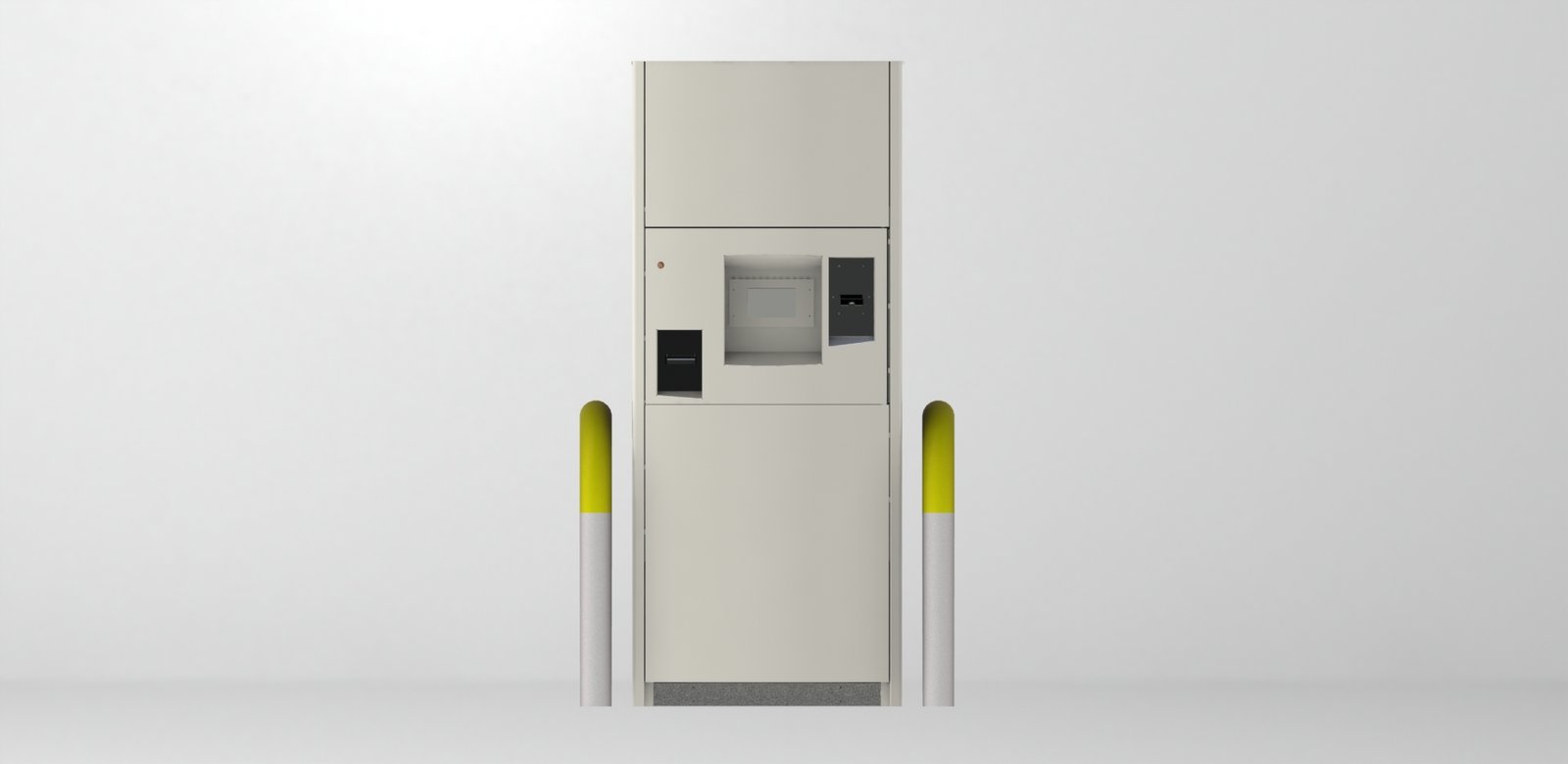
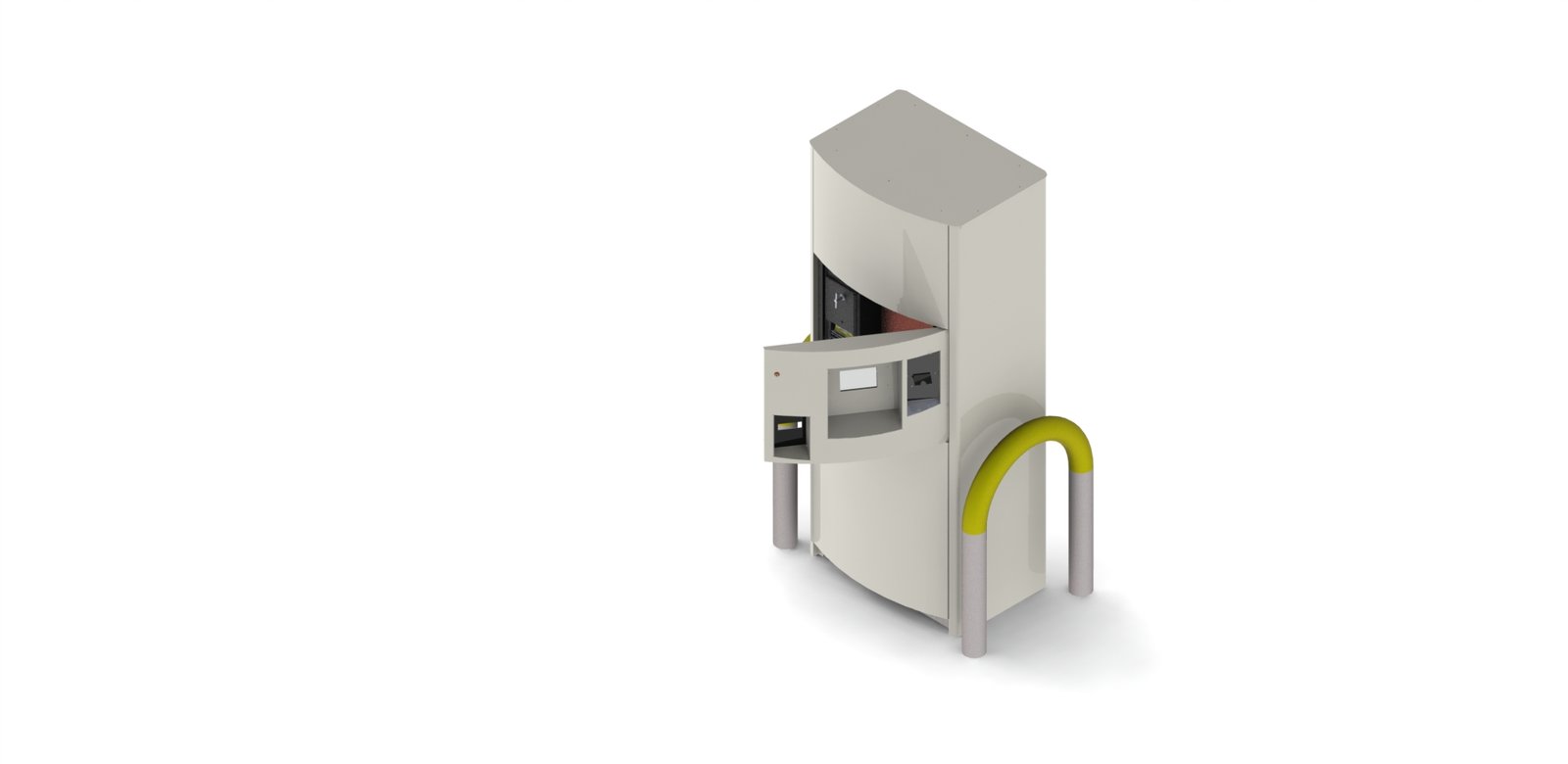
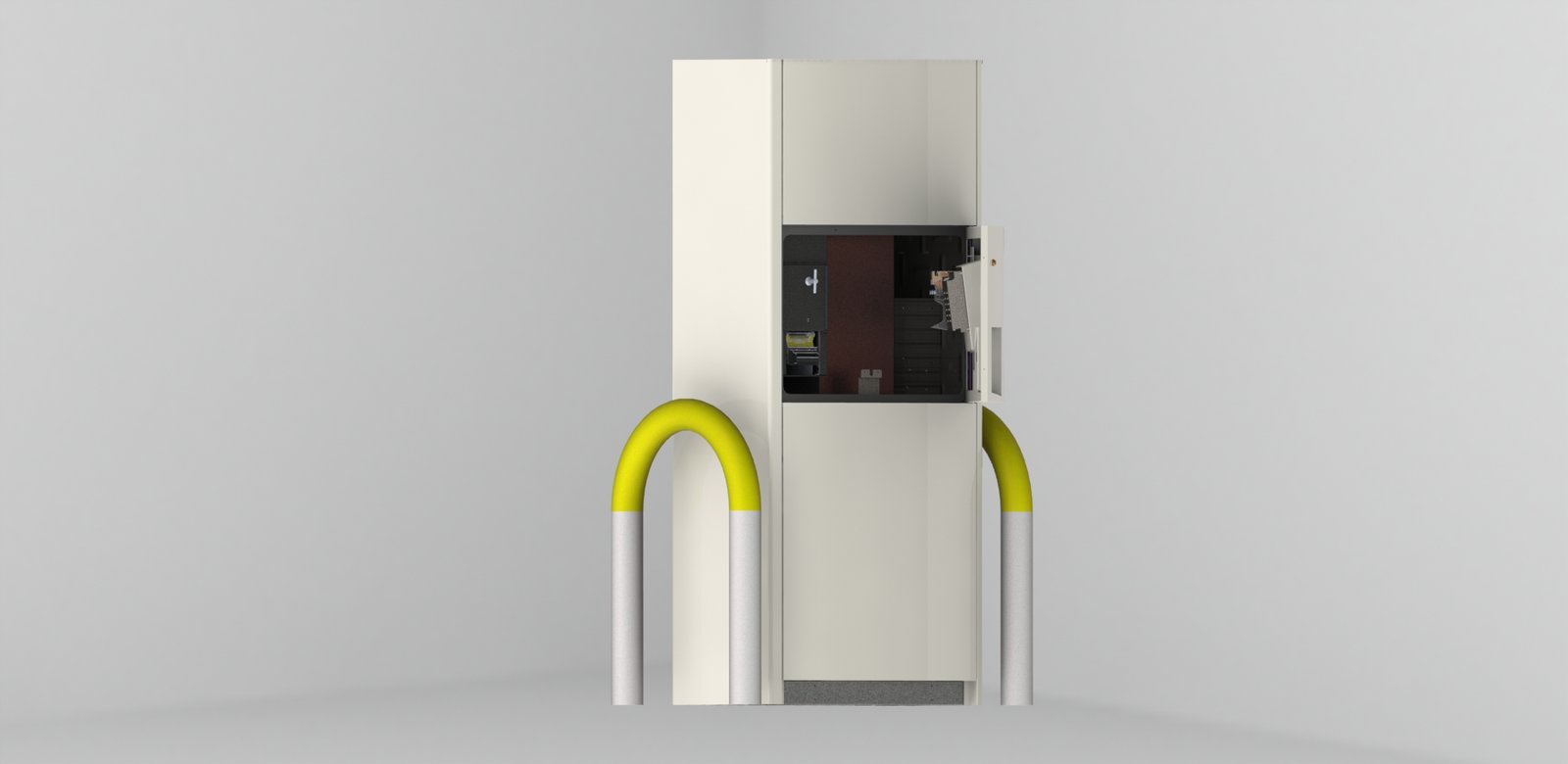
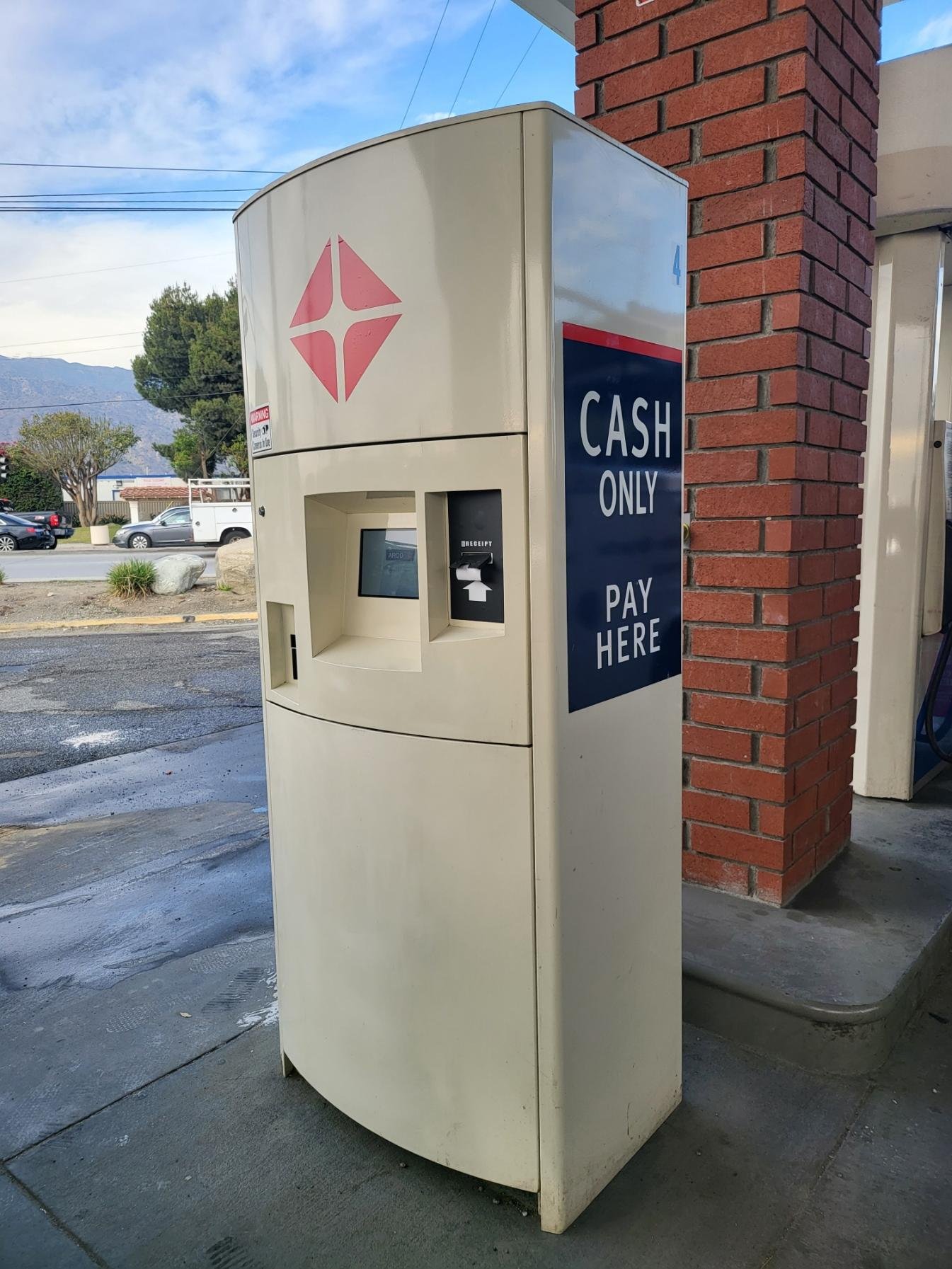
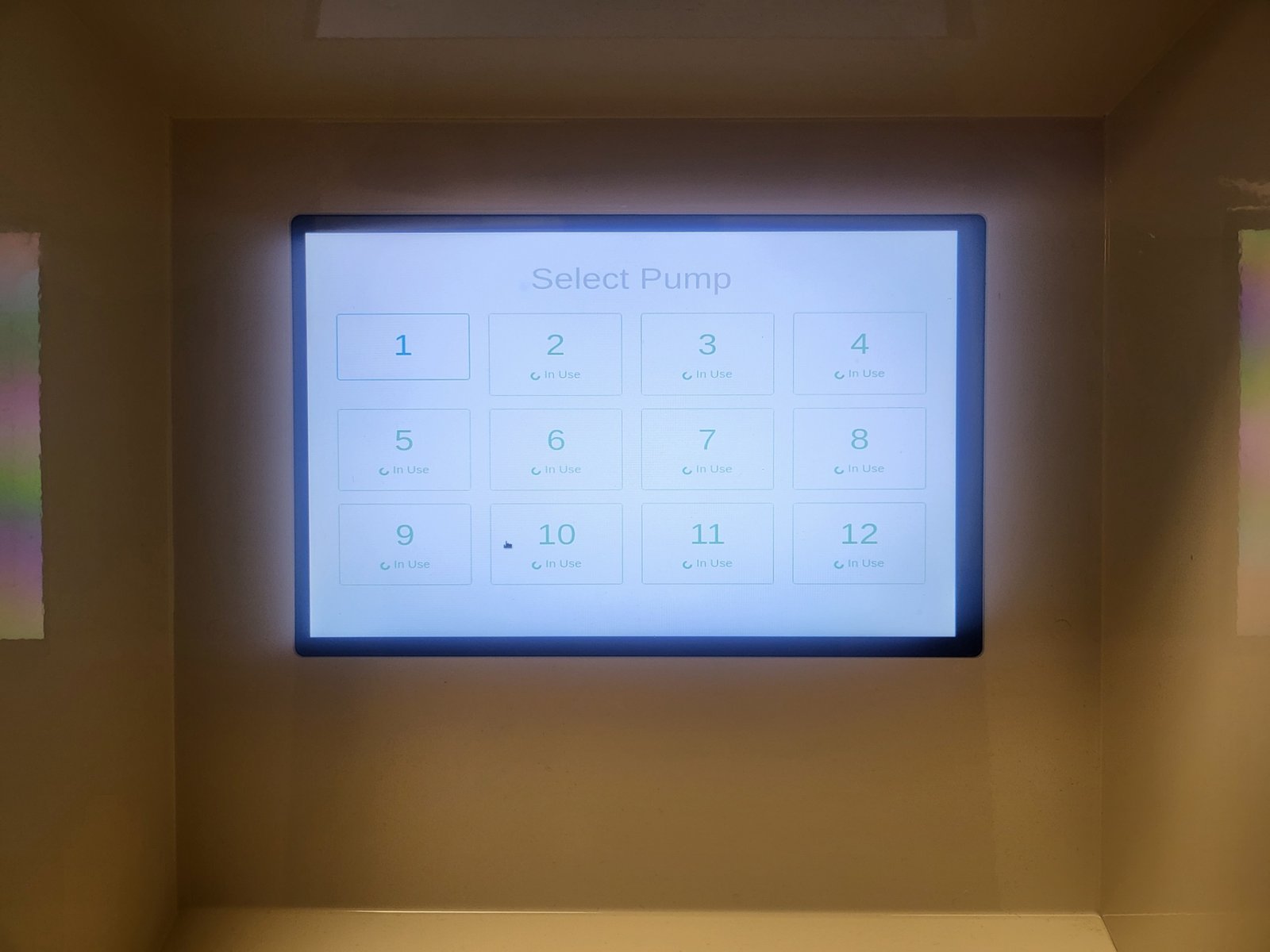
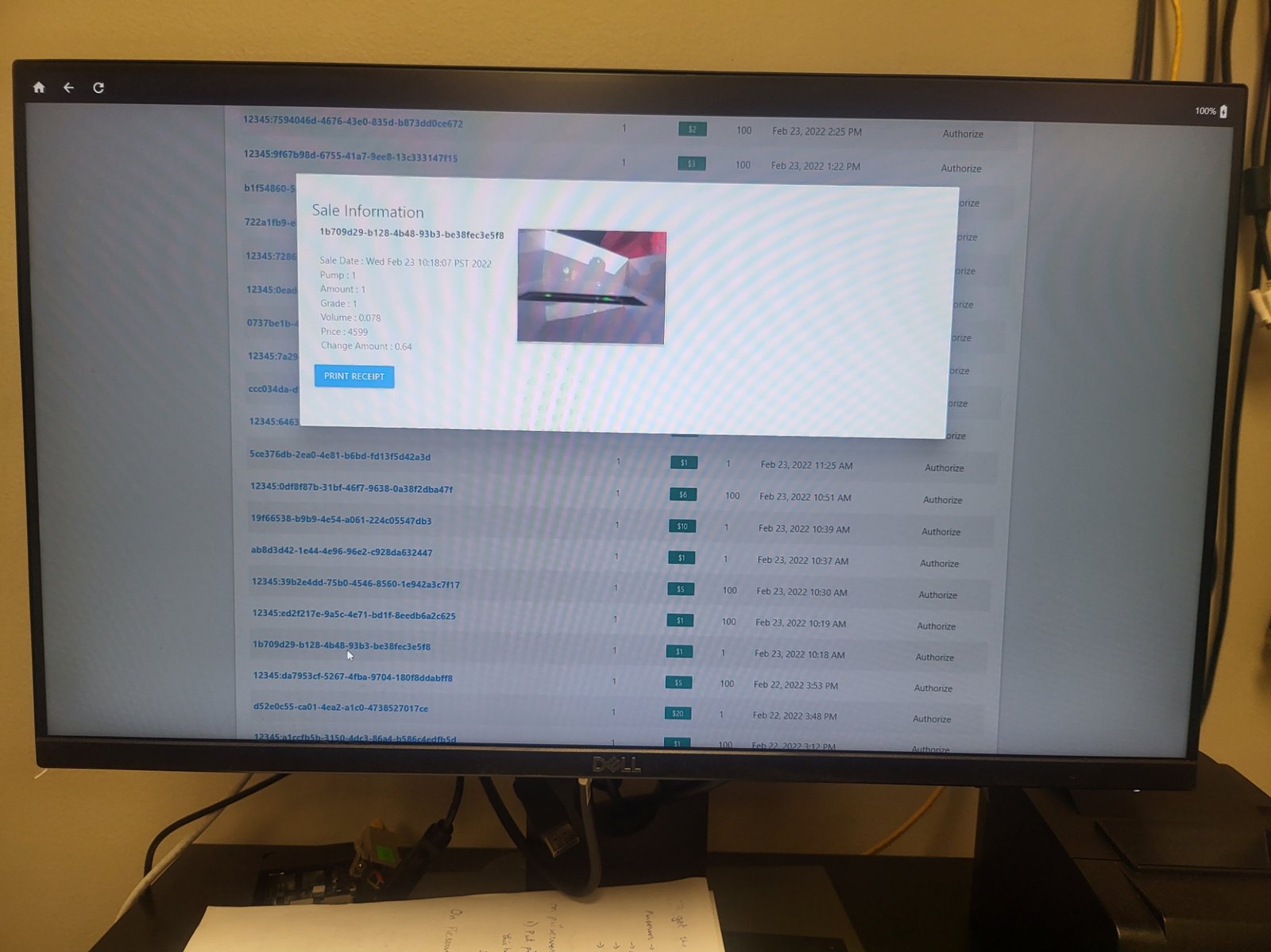
Project context: Genesis Technology Inc. later closed, and the machines are no longer operating. This case study covers my work during August 2021–August 2022. Deployment totals and budget allocations reflect my account; timelines and the post-camera outcome are approximate recollections. Long-term commercial results are not reported.